

Travel planning should feel exciting. You save places, sketch a route, and daydream about the moments you’ll remember forever. But for a lot of people, the closer the trip gets, the more it starts to feel like pressure: too many choices, too many tabs, too many “don’t miss this” warnings. That’s travel anxiety.
And travel anxiety is rarely about the destination itself. It’s more commonly attributed to travel planning. Stress caused by too many options and uncertainty. That’s what decision fatigue feels like. Today’s travel internet gives you infinite inspiration, but very little clarity. You can research for weeks and still wake up in the middle of the night to add one more thing to your “don’t forget” list.
Savvy explorers don’t eliminate complexity. They rely on thoughtful structure — the kind that reduces decisions before the trip begins, so you can focus on the experience once you’re there.
Why Travel Planning Feels Overwhelming

More information doesn’t equal better planning. Clarity comes from real experience.
Most travel anxiety starts with information overload. A single destination can generate thousands of blog posts, guides, and reels. Everyone has a “perfect” route. Everyone recommends a “must-see.” And suddenly you’re not planning a trip. You’re trying to win an impossible optimization game.
That’s where travel anxiety and decision fatigue kicks in. Every decision creates another decision:
- If we go to this canyon, what time should we arrive?
- If we arrive in the afternoon, where do we eat?
- If we eat there, do we still make golden hour?
- If we miss golden hour, is this stop still worth it?
The anxiety comes from the sense that one wrong choice ruins the day. On a multi-day trip, that fear compounds. You’re not just choosing a viewpoint. You’re choosing a sequence that has to hold: drive times, opening hours, guided-entry windows, crowds, parking, meals, energy.
Decision Fatigue + Modern Travel Internet = Travel Anxiety
The internet changed travel planning in one big way: it gave us the freedom to build our own trips. But it also made everything look essential.
Endless “Top 10” lists flatten a destination into checkboxes. Social media piles on pressure: sunrise here, sunset there, “hidden gem” in between. Your brain starts treating a vacation like a performance. That’s why travel-planning anxiety is so common now.
And it’s hard to tell what’s meaningful when you haven’t been there. A place can look iconic online and feel underwhelming in real life. A “perfect viewpoint” might only be perfect at one time of day or in a specific month. A “scenic drive” can become the reason you miss the moment you cared about most.
That’s why decision fatigue starts before you ever leave. And it doesn’t always end when you get home. You know that feeling: you come back, and the algorithm keeps serving you “one more spot” you didn’t include. Suddenly you’re second-guessing the trip you just took.
Travel planning anxiety grows when every moment feels like a decision you’ll regret later. The fix isn’t to become a more intense planner. It’s to use structure that protects the trip before it begins.
Why Thoughtful Structure Changes Everything
Structure is what turns inspiration into a trip that actually works.
A thoughtfully designed itinerary gives you:
- clarity before the trip begins (what matters, what doesn’t)
- better pacing across travel days (what fits before sunset, and what makes sense later in the evening)
- confidence in the route (the chain holds)
- fewer decisions during the trip (you’re not constantly recalculating)
That’s the philosophy behind TravUp. We create field-tested itineraries based on our own travel experience. This is travel itinerary planning done for real life, not just for the internet. These aren’t just lists of places to see. They’re carefully built journeys designed around real-world timing, smooth logistics, and the moments that matter most.
Take Mexico City, for example. With TravUp, you won’t head to the Frida Kahlo Museum via subway or Uber. We suggest taking the Turibus instead. This makes the ride to the museum part of the experience, complete with sightseeing and a TravUp-provided audio guide in nine languages.
And when it’s time to visit Teotihuacan, we won’t just send you to the pyramids. We’ll guide you to a hot-air balloon ride over the ancient ruins at sunrise, when the view is at its most unforgettable.
Later, after your walk through the site, you’ll probably be hungry. That’s when TravUp leads you to a very special lunch spot: a restaurant set in a sacred Aztec grove, visited by royalty, presidents, and celebrities. While other travelers may wait an hour for a table, you’ll be seated right away.
The TravUp Difference
Why? Because the TravUp app helped you plan in advance. We told you about the special lunch spot during the preparation stage, shared the booking link, and recommended the best time to arrive.
That’s what TravUp does: not just showing you where to go, but making sure every part of the journey works in real life.
The structure doesn’t eliminate discovery; it removes unnecessary stress. When logistics are already considered (drive times, opening hours, pacing, and what must be reserved), you can be present for what you came for: exploration, culture, and meaningful moments.
Your Solution to Travel Anxiety
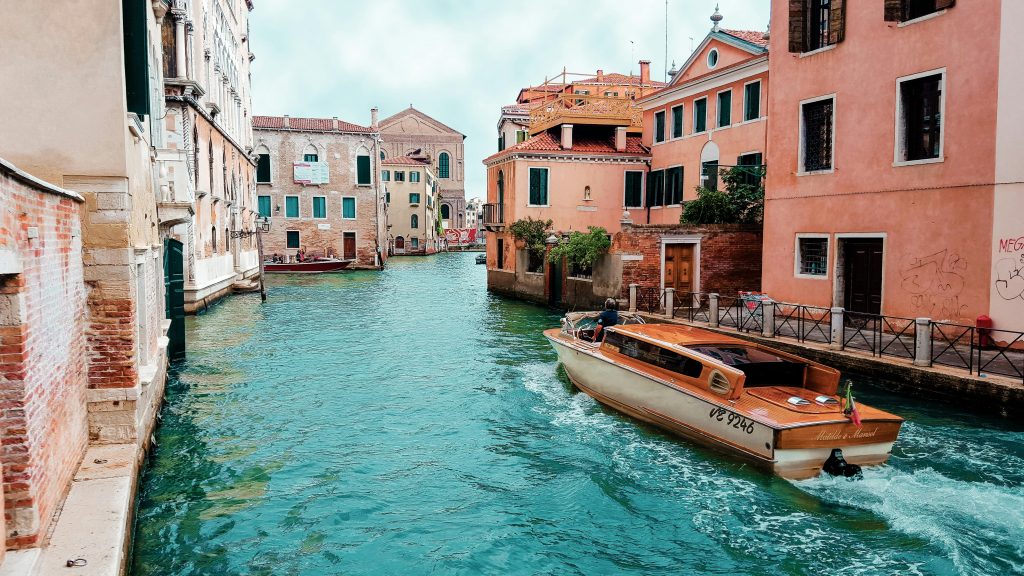
TravUp goes one step further with immersive audio guides, so you don’t just arrive — you understand the place the way a local would. Geography, history, culture, traditions, food, legends. The story that makes a stop feel lived-in, not just visited.
Travel anxiety often isn’t about travel at all. It’s about uncertainty, constant decision-making, and the pressure to optimize every hour. Today’s travel internet delivers endless inspiration, but it rarely delivers structure. That’s why travel planning anxiety is so common: too many choices, too little clarity, and the fear of getting it wrong with limited time.
Savvy explorers approach travel differently. They rely on thoughtful planning that allows the journey to unfold naturally. When structure supports the trip, when timing, pacing, and logistics are already considered. You stop managing your vacation and start living it.
Exploration. Discovery. And meaningful travel experiences.
Remember: the best way to reduce travel planning stress is to start with a thoughtfully structured itinerary from TravUp.