
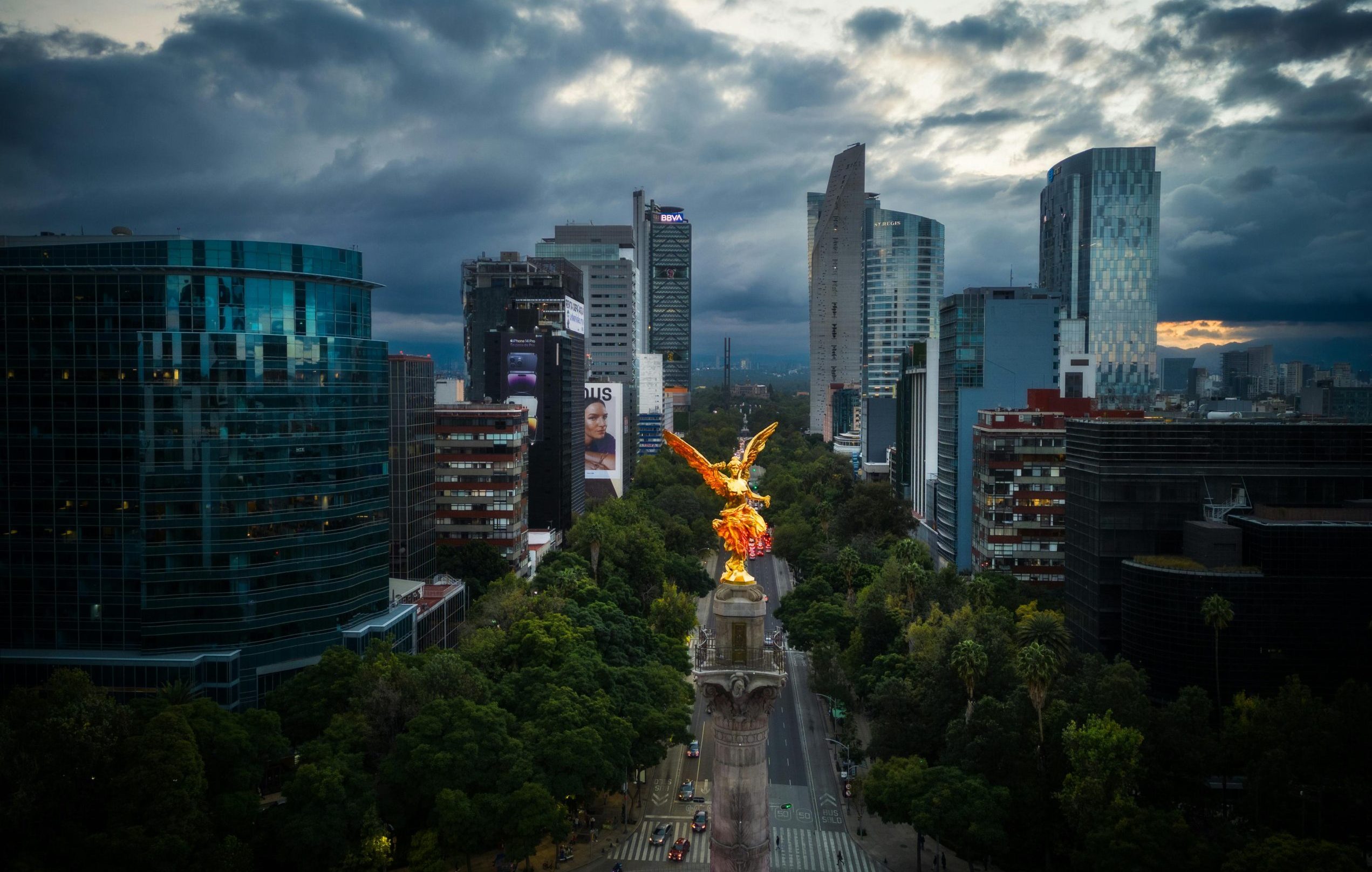
Mexico is often reduced to tacos, colorful streets, and quick postcard moments. But a proper Mexico itinerary reveals something much deeper: pre-Hispanic civilizations, the Aztec layer beneath modern Mexico City, colonial cities, and living traditions that still shape daily life. This is true Mexico cultural travel.
The problem is that most trips never connect those layers in a way that feels clear, coherent, and manageable.
Without structure, a trip to Mexico can turn into a series of impressive but disconnected stops. You visit a museum, then a pyramid, then a historic center, then a photogenic town.
In the end, you come back home with a wealth of amazing, unexpected moments, yet without truly understanding them. Without being culturally enriched or gaining the insights people bring back from deeply meaningful journeys.
TravUp solves this problem by turning a “must see” list into a route with context, pacing, and cultural continuity.
Our Mexico cultural travel guide shows how five days can feel like a journey through 3,000 years of history when your experiences are built around meaning, not just movement.
It is exactly the kind of structure savvy travelers look for when they plan a Mexico trip.
Mexico Cultural Travel That Feels Connected, Not Crowded
What makes our Mexico itinerary work is not how much it includes. It is how clearly it knows what to simplify, and in what order you should experience everything. This attention to detail is what keeps five days from feeling rushed, even as the route moves across very different versions of Mexico.
TravUp uses Mexico City as a cultural journey entry point, not just a place to collect landmarks.
Day 1
We begin with a selective introduction at the Anthropology Museum, focused on the key exhibits that help the rest of the journey make sense. The accompanying audio guide native to the TravUp app highlights carefully selected artifacts instead of putting you through an exhausting five-hour, room-by-room museum tour.
From there, the city opens itself to you through Paseo de la Reforma, Chapultepec, and an evening of mariachi at Garibaldi square. Turibus helps connect those stops without turning day one into a string of fragmented transfers.
Day 2
Here the focus is on building on your first impression instead of trying to replicate it. The historic center, the Aztec Templo Mayor, the colonial Coyoacán, and the Frida Kahlo Museum reveal a very different Mexico within the same city.
You move from the remains of Tenochtitlan into one of the city’s most recognizable artistic and cultural spaces, and the contrast is part of what makes the day memorable.
That historical context matters even more once the trip leaves the capital. Most travelers move through Mexico heritage sites one by one. TravUp gives you a simple historical line, from Olmecs to Toltecs to Aztecs, so Teotihuacán feels connected to what you have already seen in Mexico City.

That is why this trip feels easy to trust. The big moments are there, but so is the pacing that lets them land properly. TravUp resolves the small decisions that usually wear people down. It shows you how to approach the museum without overload, how to prepare for the balloon morning, and how to keep the day moving toward Puebla instead of fading out after Teotihuacán.
HowTeotihuacán Becomes More Than a Ruins Stop
Day 3
Morning
Teotihuacán is the turning point of this route. It is where the history introduced in Mexico City stops feeling distant and becomes something you can see, feel, and even taste.
That shift begins before sunrise. You leave Mexico City before 5:00 a.m., while the city is still dark and the mountain air is cold enough that what you wear really matters.
TravUp prepares you with the practical guidance most travelers only learn too late. Dress for the cold morning, expect strong sun later, bring water, a hat, sunglasses, and sunscreen, and know the timing and entry logic before you arrive. The TravUp app provides all of this information to maximize your enjoyment of the experience.
Your introduction to Teotihuacán is not a crowded entrance or the flat light of late morning. It happens in a hot-air balloon above the ancient city, as the sun rises over the Pyramid of the Sun, the Pyramid of the Moon, and the Avenue of the Dead. Even the Temple of Quetzalcoatl comes into view from above, without forcing you into a long, exposed walk in the heat later.
From above, Teotihuacán doesn’t look like a series of separate monuments. You see it as one intelligently planned, sacred city. This is the difference between TravUp and the typical tour you find on TripAdvisor or via your travel agent.
Afternoon
The day keeps its momentum after that. Lunch at La Gruta, the restaurant visited by royalty, presidents, and cultural icons. Here you are introduced to ancient Aztec cuisine in a unique cave setting.
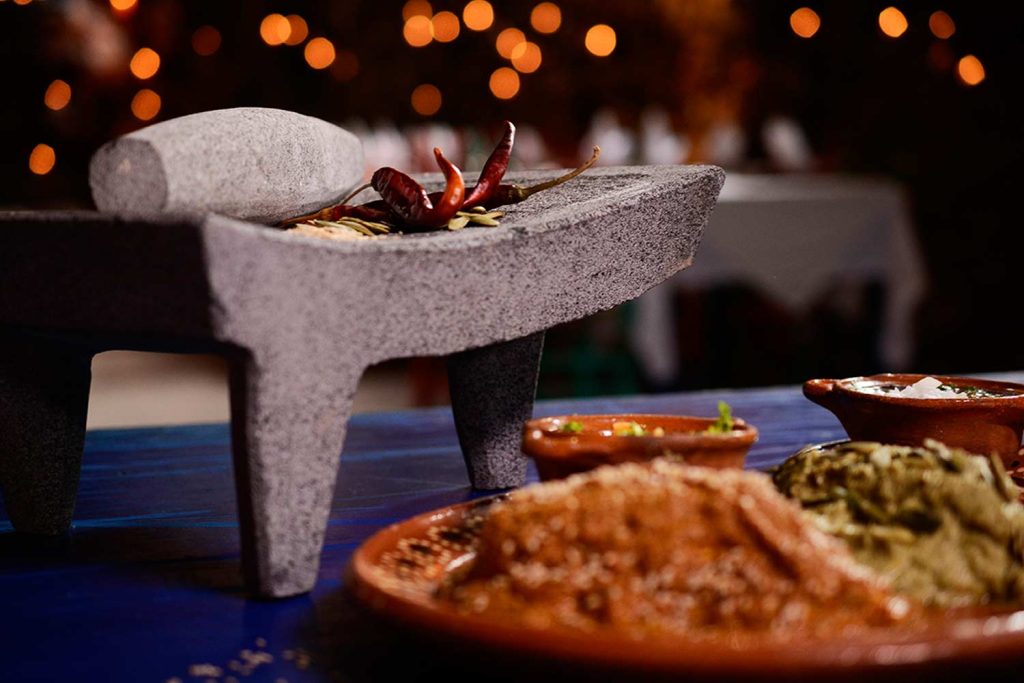
After an incredible lunch we continue on toward Puebla to keep the momentum of a carefully designed journey.
This is where TravUp shows its value especially clearly. A DIY visit can easily become one good photo, a few massive stones, strong sun, and not much structure. TravUp gives Teotihuacán the rhythm it needs: the early start, the aerial overview, the ground experience, the practical prep, and the natural continuation into the next chapter of the trip.
Puebla, Cholula, and Taxco’s Beauty is More than Skin Deep
Day 4
Context is what keeps beautiful places from flattening into Instagram stops. The issue is not photography itself; our itinerary includes plenty of photogenic places. The problem starts when visual beauty becomes the only layer a traveler experiences.
After the scale of Teotihuacán, Puebla and Cholula shift the trip into colonial texture, sacred architecture, and a deeper religious history. TravUp gives both stops the framing that makes them feel connected rather than decorative.
Puebla adds much more than an attractive historic center. Gold-covered churches, colorful streets and markets, indigenous baroque detail, historic forts, and remarkable gastronomy give the city a denser historical and cultural texture.
With the right framing, Puebla feels less like a pause in the itinerary and more like an essential part of how Mexico opens up.
Cholula adds another layer to the day. What could seem like a scenic stop becomes a place where sacred geography, layered belief, and architecture still shape the landscape. Its wider religious setting and volcano-facing views make the stop feel expansive rather than decorative.
Day 5
Taxco changes the mood again. It is visually striking, but TravUp makes it more than white facades and silver shopping by tying together its mining history, preserved urban character, living craft tradition, and the steep mountain streets that define the town.
The designer silver jewelry shopping matters, but so does the dramatic uphill ride through narrow streets that feels almost like a roller coaster. Even the white Volkswagen Beetle taxis feel like part of the place rather than side details.
Together, Puebla, Cholula, and Taxco keep the trip from peaking at Teotihuacán and fading into beautiful but disconnected places. TravUp gives these final stops sequence and meaning, so the journey keeps deepening right to the end.
Why Local Stories Will Change How You See Ruins
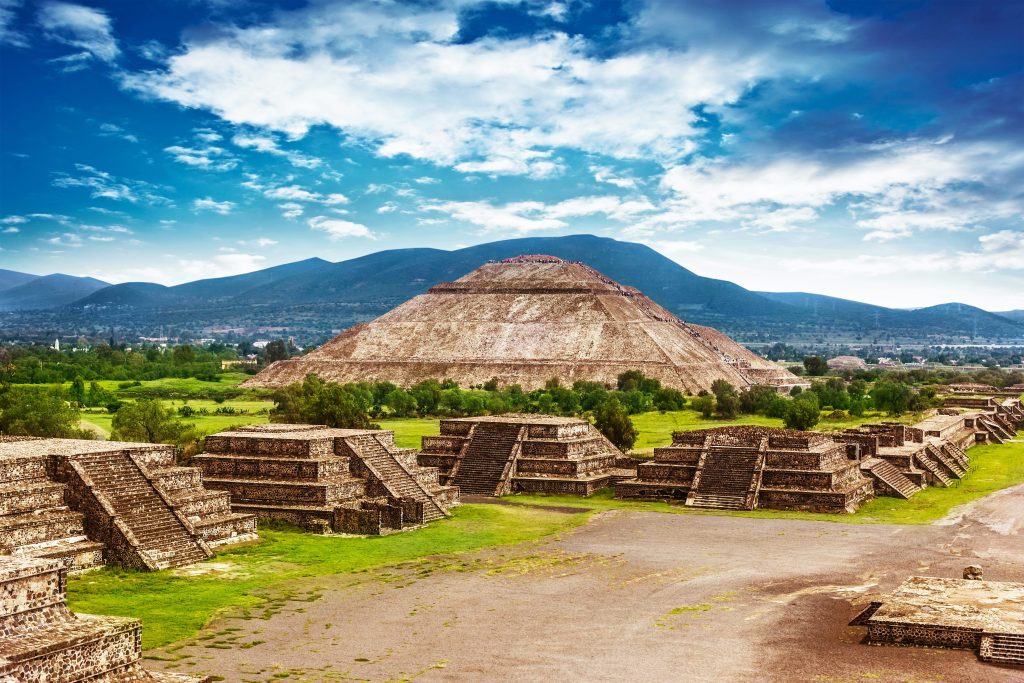
Stories transform ruins from impressive sights into places with personality. Without stories, travelers only see size and stone. With stories, you begin to understand ritual, geography, myth, conquest, and daily life as parts of the same experience.
TravUp’s audio layer is what makes this possible. It does not overload the trip with facts. It gives you the right stories at the right moment.
In Mexico City, that starts with selective museum guidance. At Templo Mayor, it helps the Aztec layer of the city come into focus. At Teotihuacán, it connects the scale seen from the balloon to the meaning of the site on the ground.
In Puebla, Cholula, and Taxco, your Mexico cultural travel experience continues through legends, architecture, craft, food references, and the local logic of each place.
The stories are what make Mexico cultural travel feel deeper without feeling heavy. They make the journey easier to understand. They also give the trip a longer life.
Because the audio guides remain in the app, you can revisit your journey after you get home, instead of letting the trip fade into a blur of disconnected impressions and photos.
A Better Way to Travel
The best Mexico itinerary is not the one with the longest checklist. It is the one that connects one layer of Mexico to the next in a way that feels clear, meaningful, and doable.
Mexico City gives this trip its historical footing. Teotihuacán expands the scale. Puebla, Cholula, and Taxco deepen the itinerary through colonial texture, sacred architecture, and living craft tradition.
What makes this journey work is not only what it includes, but how it is designed. TravUp lets you experience 3,000 years of Mexican history in just 5 days by solving the sequencing, pacing, context, and on-the-ground decisions that often weaken DIY travel.
Download the TravUp app and explore this Mexico itinerary now.